


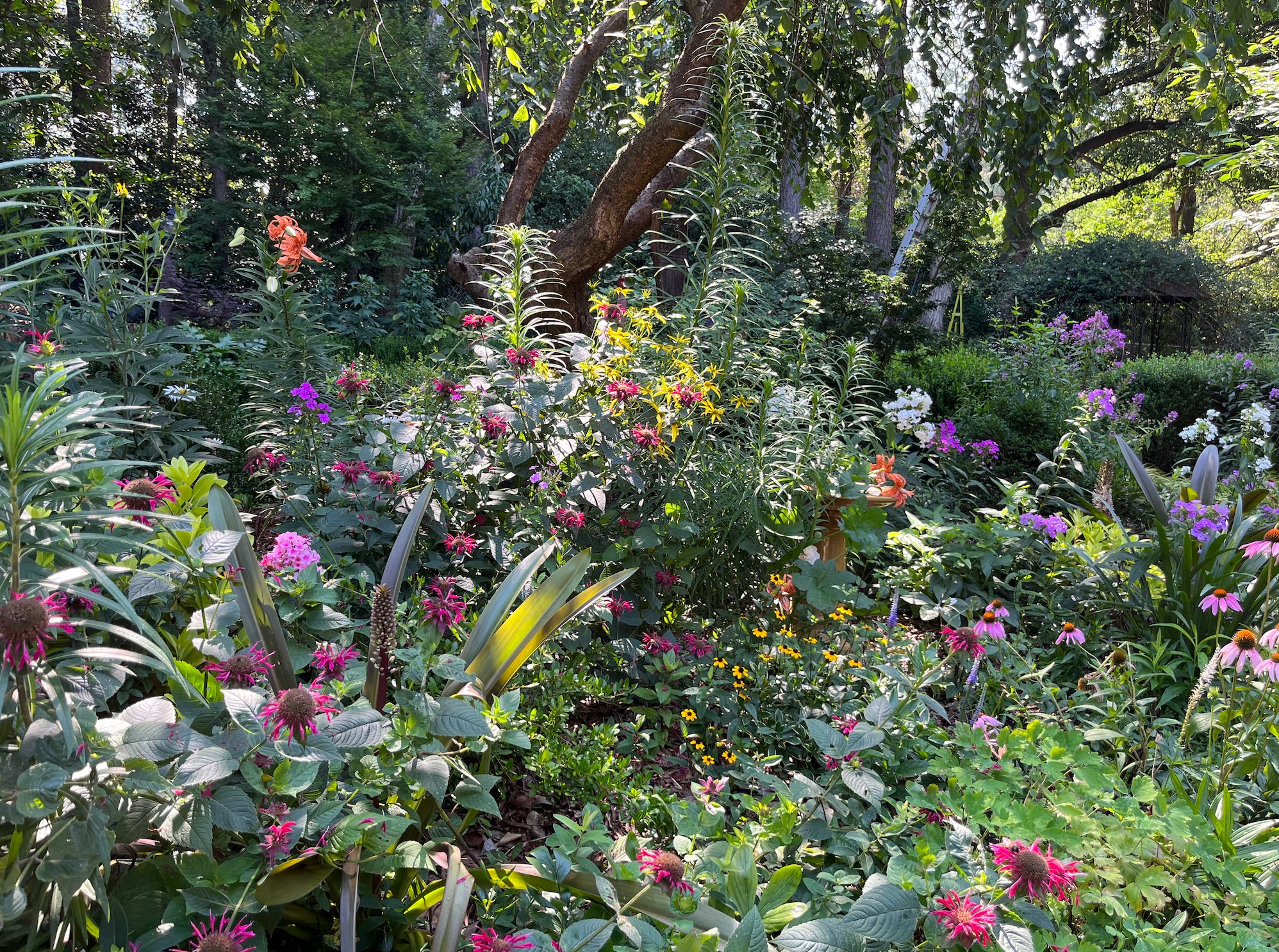
Our natural world is changing, and we can help. At times it may seem hopeless, but doing nothing only makes things worse. We can each make a difference.
I have yet to speak with anyone who hasn’t noticed a decline in the birds, bees, and butterflies visiting their home habitat. Through my decades as a wildlife gardener — gardening especially for birds, bees, and butterflies — I’ve welcomed a wide range of other species too, including anoles, frogs, black snakes, and beneficial insects that come to feed in my garden.
Today, I’m seeing fewer and fewer visitors. I can only imagine how much steeper the decline looks to those who haven’t spent decades paying close attention. It’s not too late to start.
Habitat loss is the leading cause of species decline today, which means we all have a role to play as conservationists and ecologists.
Conservation is an interdisciplinary field that draws on the environmental sciences and focuses on preserving endangered species and their natural habitats. Ecology, meanwhile, is concerned with understanding how living organisms interact with their environment — the relationships among species, and how those relationships shape the world around them.
Both fields are rooted in a concern for the climate and for addressing environmental challenges, and both recognize the importance of preserving biodiversity. I’ve spent a lifetime studying and practicing these principles in my own garden.
My journey began when my husband and I bought our family home in 1997, though I’d been practicing these principles for decades before that. Putting down roots in this Raleigh home and garden has let me track changes over time in a way I couldn’t before.


I started with the four elements every wildlife habitat needs: food, water, cover, and places to raise young. That part was easy. The harder — and more important — step was eliminating pesticides altogether, organic or otherwise. I’d never used much to begin with, but marketing has a way of getting to you: scare tactics that make you afraid of everything outside your door.
There’s a better way. If you focus on four ecological goals, you can build a garden that actually makes a difference:
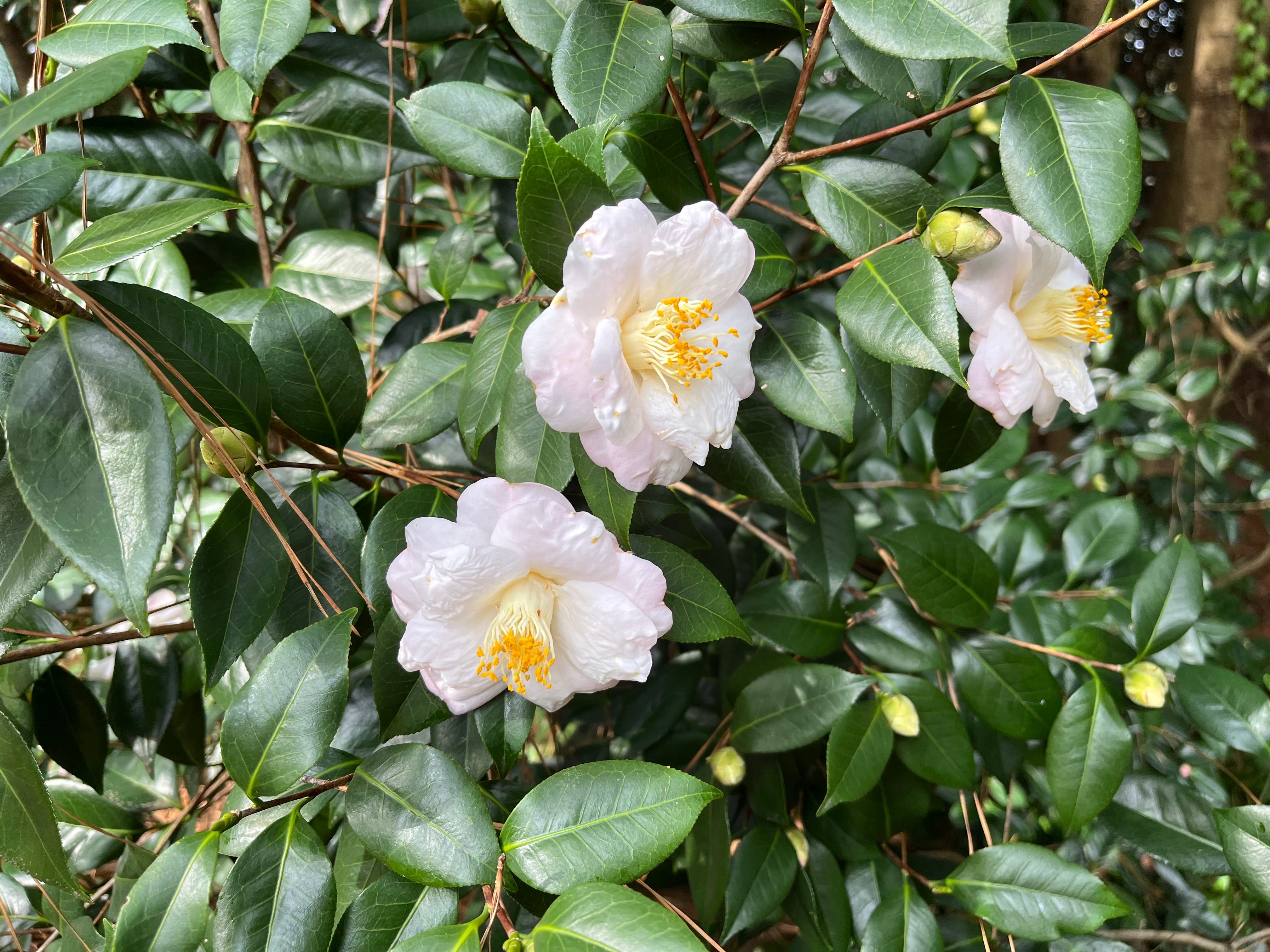
Plant to support pollinators year-round. We’re lucky to garden year-round here, which makes it easy to have something in bloom at any time.
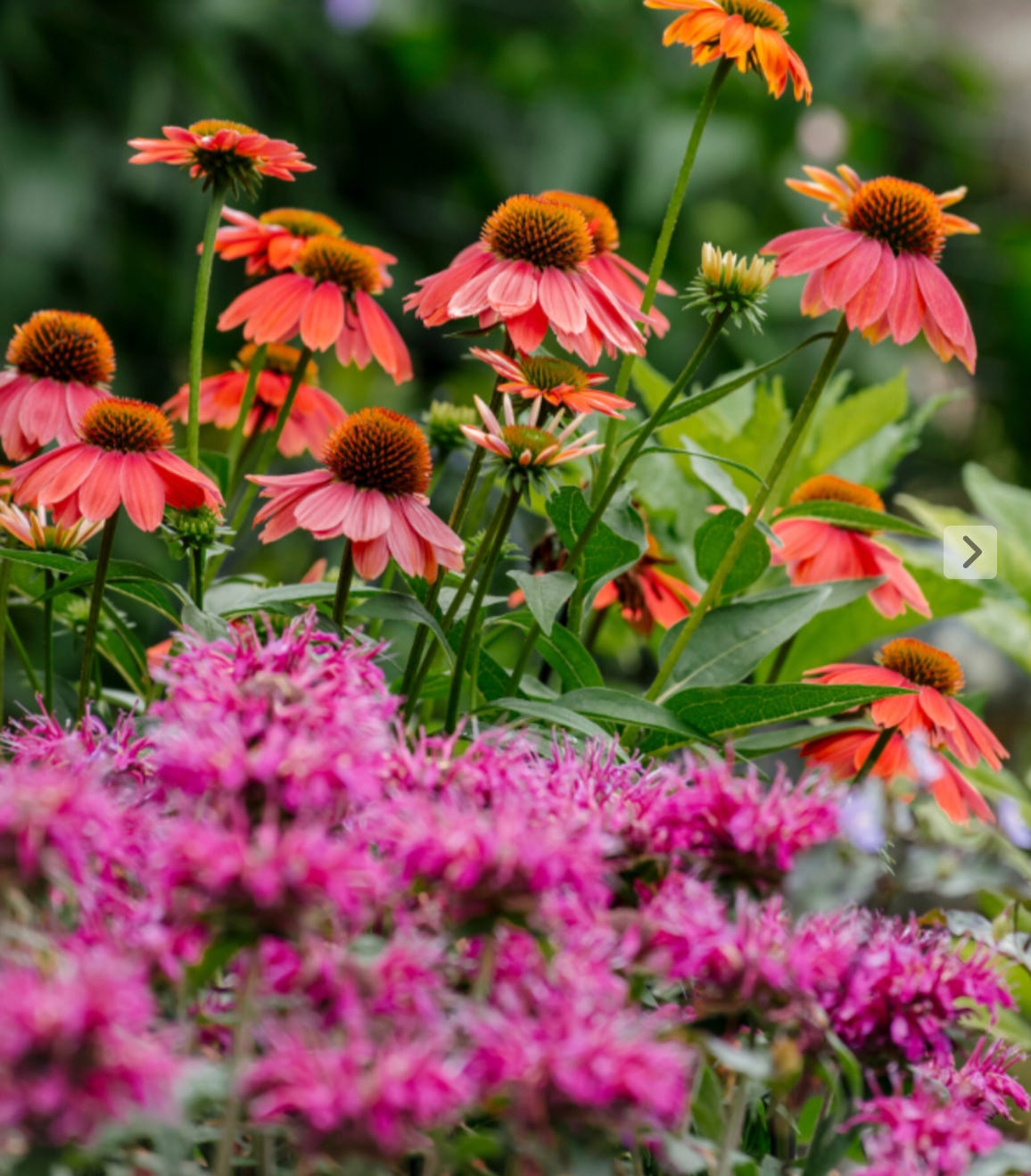
Provide energy for the food web. Food webs run on biomass — the energy stored in living organisms. Autotrophs, the producers at the base of the web, make their own food from light, water, carbon dioxide, and other chemicals, and are especially good at building that carbon into their tissues and holding it there. Planting species that do this well means sharing the energy they’ve harnessed from the sun with the local animals that keep our ecosystems running.
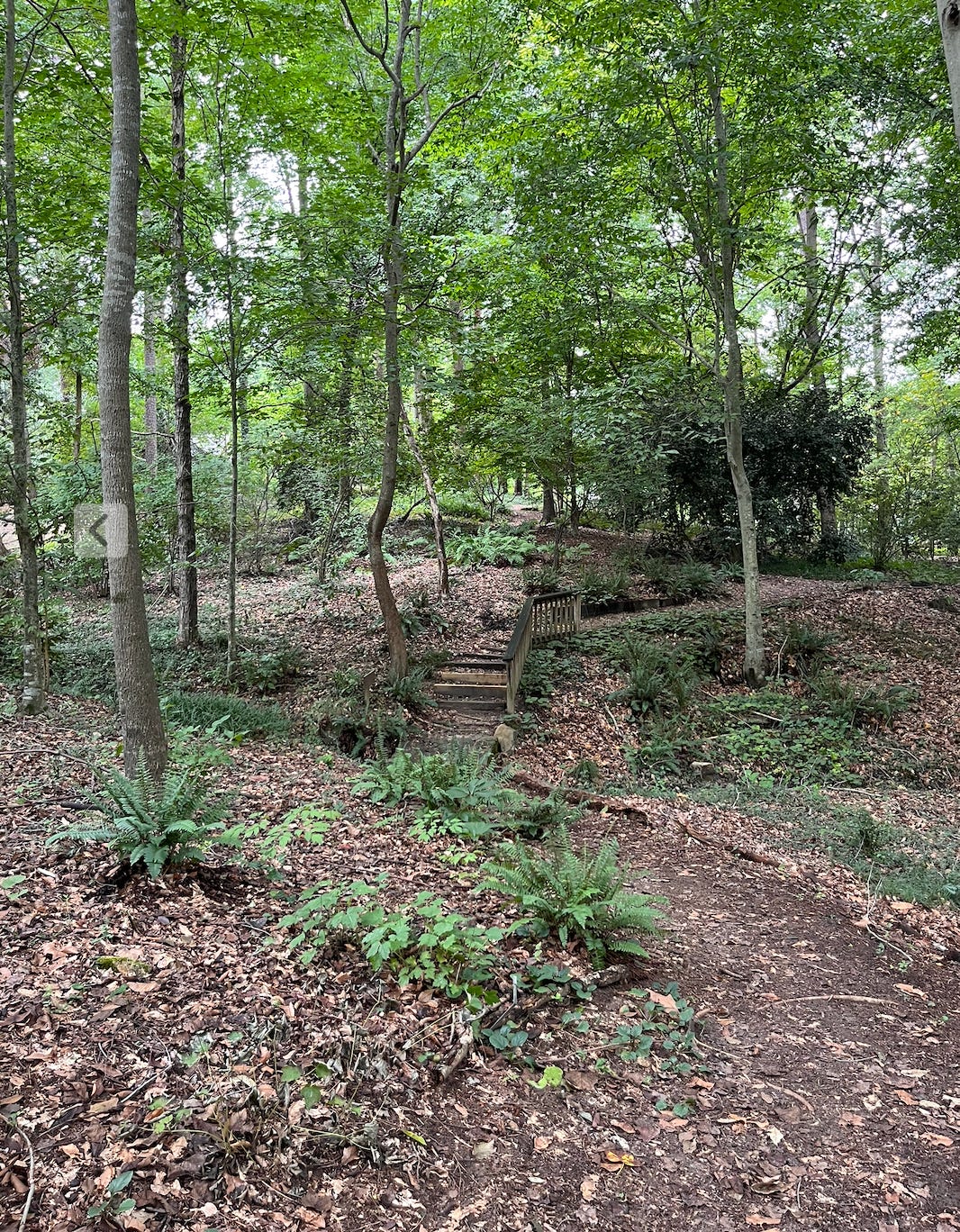
Help remove carbon from the atmosphere. In theory, burning crops for electricity while capturing and storing the resulting carbon dioxide underground could pull carbon out of the atmosphere — but that isn’t happening at any meaningful scale. Planting forests and trees and managing the forests we already have are more realistic ways to help draw down carbon dioxide.
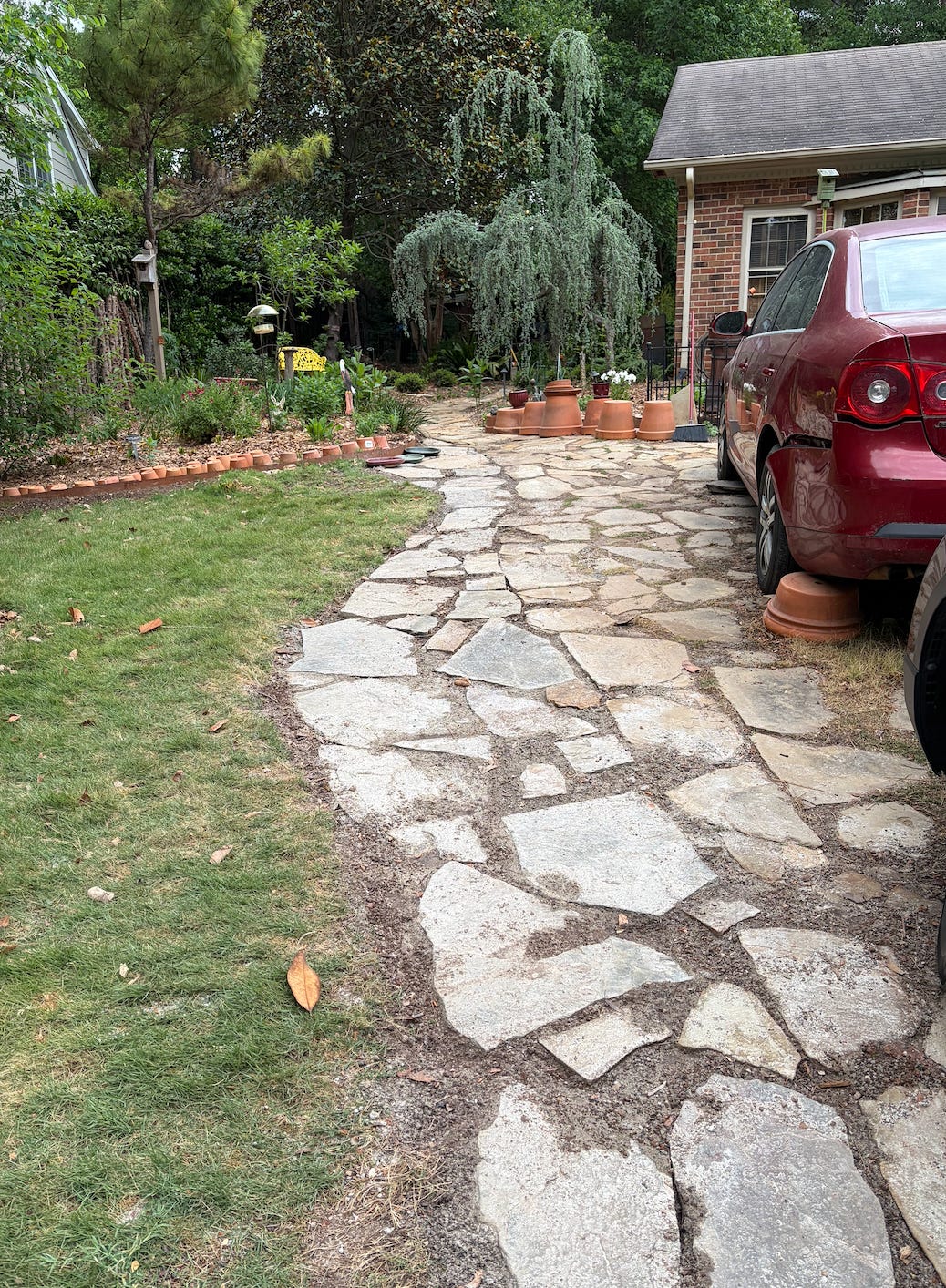
Manage the watershed you live in — yes, even from your own yard. A watershed is the area of land that drains into a particular body of water, like a lake or river. As rain or melted snow runs downhill through it, it picks up sediment and other material, carrying them into that body of water. In my own garden, I’ve routed all my water so it filters through the ground first. Doing this improves water quality by controlling erosion and filtering pollutants, while also reducing water use — and your water bill.
We can all take small steps in our daily lives to make a positive impact on our local environment. I’d start with the simplest one: providing food, water, cover, and places to raise young.
Until soon,
Helen Yoest
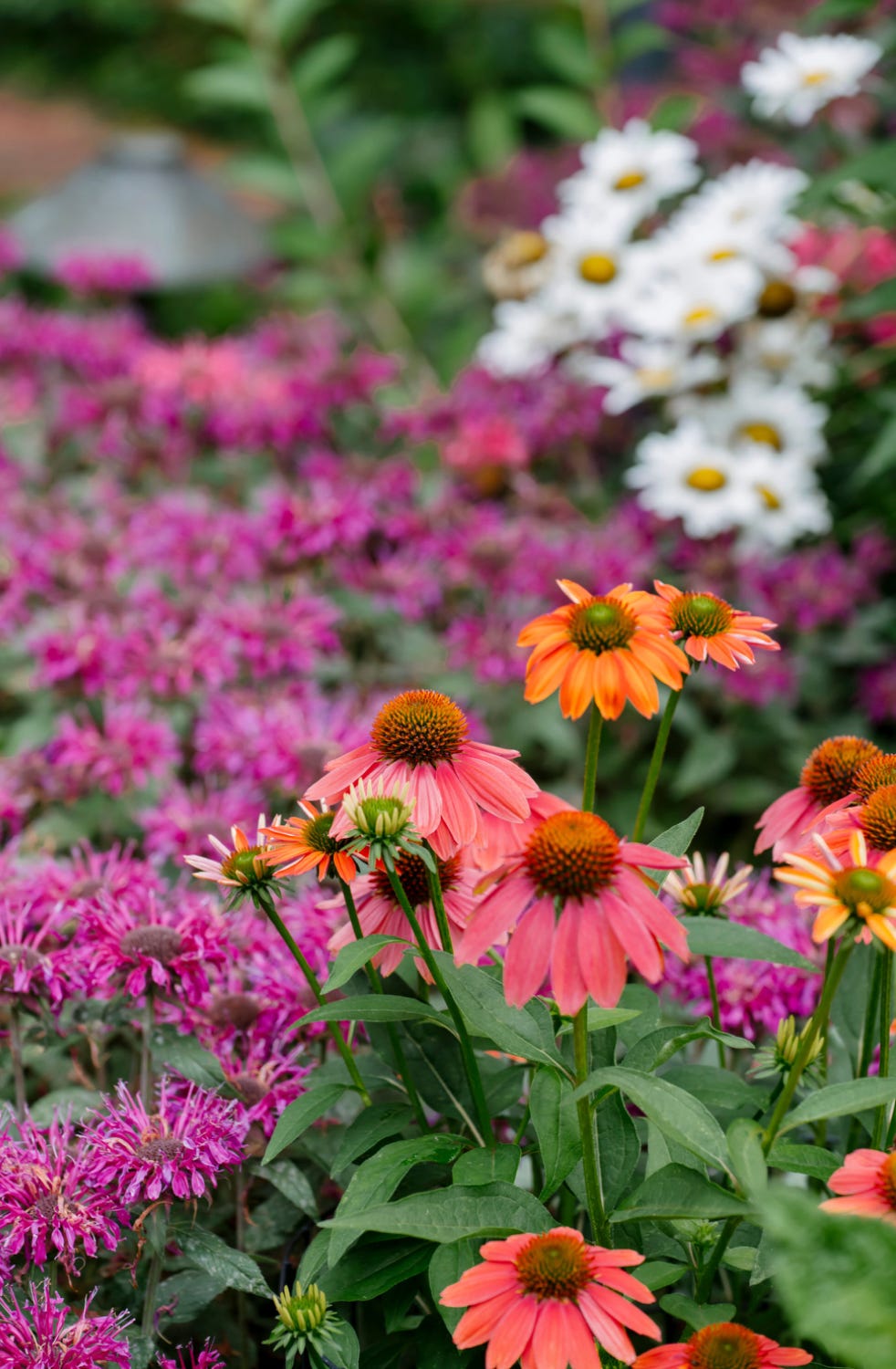
Yes, Helen, those four elements. They make my garden a certified wildlife habitat garden. But, as you say, the reduction in my little garden friends just in the last four-five years has been dramatic. (Except for rabbits and squirrels; they are thriving.)
I was so excited one day this past week when I saw: a monarch,a yellow swallowtail, a black swallowtail, and a red admiral ALL AT THE SAME TIME in my phlox garden. Any butterfly is few and far between here now, even with all my native pollinator plants. I blame the spraying by the city and some of my neighbors. So I made the decision a year or so ago to plant more trees, moving from sunny to shady gardens.
Your wildlife garden is beautiful! Love that title, wildlife gardener.